Being LGBTQ+ and Disabled at Work – Leadership at the Intersections
Drawing on personal insight and professional experience, Toby Mildon led a candid conversation about what it means to show up as your full authentic self, and the barriers that still exist for doing so.
Leading authentically from the intersections: A Conversation with Toby Mildon
Hosted by: Claire Ebrey, Co-Founder, Pride in Leadership
Speaker: Toby Mildon, Director, Mildon
Diversity and inclusion architect Toby Mildon led a powerful and deeply personal conversation exploring what it means to navigate professional life at the intersection of disability and LGBTQ+ identity. Hosted by Pride in Leadership Co-Founder Claire Ebrey, the session brought together leaders and aspiring leaders from across sectors to reflect on visibility, inclusion, and leading authentically from the margins.
Showing up as your whole self
From the outset, Toby invited participants to think about the power of showing up fully as who we are — even in spaces that may not always feel designed for us.
“For much of my career,” Toby shared, “I felt pressure to compartmentalise — to be the ‘professional Toby’ at work and the ‘real Toby’ elsewhere. But true inclusion happens when we don’t have to leave parts of ourselves at the door.”
That reflection resonated with attendees, many of whom recognised the subtle compromises that LGBTQ+ and disabled professionals still make to fit into dominant workplace cultures. Toby reminded the group that inclusive environments are not built by accident — they are designed intentionally.
Intersectionality in action
Drawing on his own experience as a gay disabled man, Toby spoke about how overlapping identities shape workplace experiences.
“Intersectionality isn’t just a buzzword,” he explained. “It’s about recognising that discrimination doesn’t happen in neat boxes. Ableism and queerphobia can combine to make people invisible in unique ways — and we have to understand that if we want to lead inclusively.”
He described how the lack of visible role models can create a “double barrier” for disabled LGBTQ+ professionals. Representation, he argued, isn’t just symbolic — it opens doors for others to follow.
The realities of double discrimination
Toby unpacked the concept of “double discrimination”, explaining how ableism and queerphobia can overlap to limit opportunities and visibility.
“You can be underestimated before you even open your mouth,” he said. “Whether it’s assumptions about capability because of disability, or discomfort around sexuality, these biases add up. And for many of us, it means having to come out — twice.”
This conversation led to a broader reflection on psychological safety — how leaders can foster cultures where everyone feels able to speak openly about their needs and identities without fear of judgment.
From barriers to better design
In his work with organisations like the BBC and Deloitte, and now through his consultancy Mildon, Toby focuses on building systems that “design out exclusion.” He challenged leaders to go beyond awareness and take ownership for structural change.
“Inclusion shouldn’t rely on individual heroics,” he said. “We can design workplaces — from recruitment to promotion — that work for everyone from the start.”
This approach, he emphasised, moves inclusion from being a “nice-to-have” to a core business capability that drives innovation, creativity, and fairness.
Inclusive leadership and allyship
Throughout the session, both Toby and Claire encouraged attendees to think practically about how to lead and ally from any position.
“Being a visible ally matters,” Toby noted. “If you have privilege — whether that’s about ability, seniority, or identity — use it to create space for others.”
Participants discussed how inclusive leadership requires curiosity, humility, and the courage to have uncomfortable conversations. Creating psychologically safe spaces, sharing personal stories, and challenging bias respectfully were all recognised as everyday acts of leadership.
Redefining success
In closing, Toby reflected on how intersectional leaders can redefine what success looks like — not by conforming to existing norms, but by reshaping them.
“Success isn’t about climbing the ladder the same way everyone else did,” he said. “It’s about leading on your own terms, in ways that make the workplace better for those who come after you.”
Claire echoed this sentiment, reminding the network that Pride in Leadership exists to connect, elevate and empowerLGBTQ+ leaders to drive change from wherever they are.
Key take aways
-
Visibility matters — especially for those at the intersections of disability and LGBTQ+ identity.
-
Double discrimination can make leadership more complex, but awareness helps dismantle barriers.
-
Inclusive leadership is a design challenge — not just a moral one.
-
Allyship means using your influence to make workplaces safer and fairer.
-
Authentic leadership starts when we stop fragmenting who we are.
A call to action
This event reflected Pride in Leadership’s mission to create a thriving community of LGBTQ+ leaders who are visible, connected and unapologetically authentic. Toby’s message was clear: inclusion is everyone’s responsibility — and leadership from the intersections can inspire change across whole organisations.
“When we lead as our whole selves,” Toby concluded, “we give permission for others to do the same. That’s how cultures change — one honest conversation at a time.”
About Toby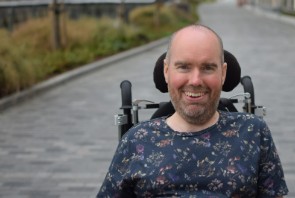
Toby is a Diversity & Inclusion Architect and founder of Mildon, a consultancy and advisory business. Toby works with businesses to devise diversity and inclusion strategies, re-engineer processes and systems to minimise the impact of bias and build a culture of inclusion. Toby is the author of the Amazon bestselling books Inclusive Growth and Building Inclusivity. Prior to setting up his business, Toby worked as an in-house diversity and inclusion manager at the BBC and Deloitte.